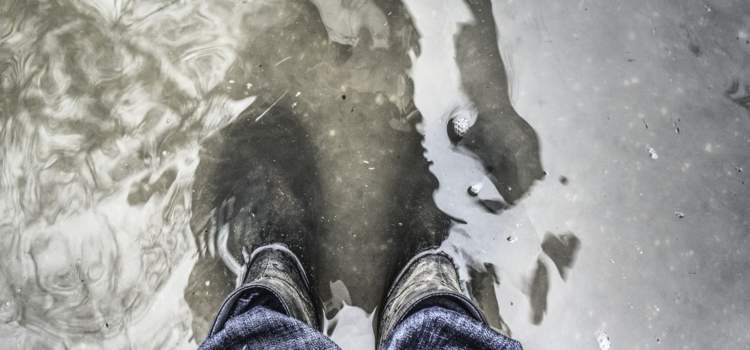
Overland flow happens when there is a lot of rain and water runs across the land. These are natural paths that water likes to flow along and into stormwater drains or local creeks after running off neighbouring properties and driveways or rising from the ground.
Generally, development should not block this flow of water as it could cause nuisance or flood neighbours due to ponding and/or diversion of the flow of stormwater. Any structures in the way of overland flow can also be damaged, and in the case of buildings, they can be flooded.
Council regulations require housing to be built above the overland flow path by a specific amount to prevent flooding of the “habitable areas” of your property. In some cases you can build over an overland flow path provided there is sufficient clearance below the building to cater for the anticipated flows and as long as the structure is designed to withstand any hydrostatic pressure applied to it.
Before purchasing a property or site it is worth checking the flood mapping available from your local council to see if the site is subject to flooding so you can go into the purchase with all the facts.
Some councils have maps that show the location of overland flow paths but not all do and even then the full extent of the constraint generally isn’t known without more detailed investigations being undertaken. For overland flow, there is typically no flood information available from councils on the depth of flood water or the width of overland flow paths and ascertaining the extent of the constraint difficult (and expensive).
So should you avoid properties with overland flow? Maybe.
Overland flow is considered a natural hazard so it must be considered and planned for during the development process. Generally, to find out what an overland flow path means for development of your land, a site specific Hydraulic Report is required. This assessment looks at the catchment applicable to the site and involves doing detailed calculations to confirm the extent and depth of overland flow applicable to a site. In metropolitan Brisbane this can easily cost around $3,000 and needs to be done by a consulting Civil Engineer.
The cost involved and time taken for a Hydraulic Report to be prepared for the site is typically a disincentive for purchasing a property. Rarely would a purchaser be prepared to incur such costs or the wait the time needed to commission the report before making their final purchase decision.
In many cases a vendor would be wise to consider engaging the commission of a Hydraulic Report to provide certainty to any potential purchasers as to the extent of the constraint, particularly if marketing the site as having “development potential”.
You can find out more about types of flooding on our other article on flooding and what it means for development.
Consult Planning can assist in undertaking due diligence for potential property acquisitions including review of any available flood mapping. For specific advice regarding these matters send us an email to office@consultplanning.com.au or call us on 1300 017 540.
Disclaimer: While every effort has been made to provide accurate information, Consult Planning does not guarantee that this blog article is free from errors or omissions or is suitable for your intended use. Requirements and standards frequently change so every individual proposal should be thoroughly investigated.